
ROOSC Project Partners with Zazzau Emirate to Bring Every Child Back to School
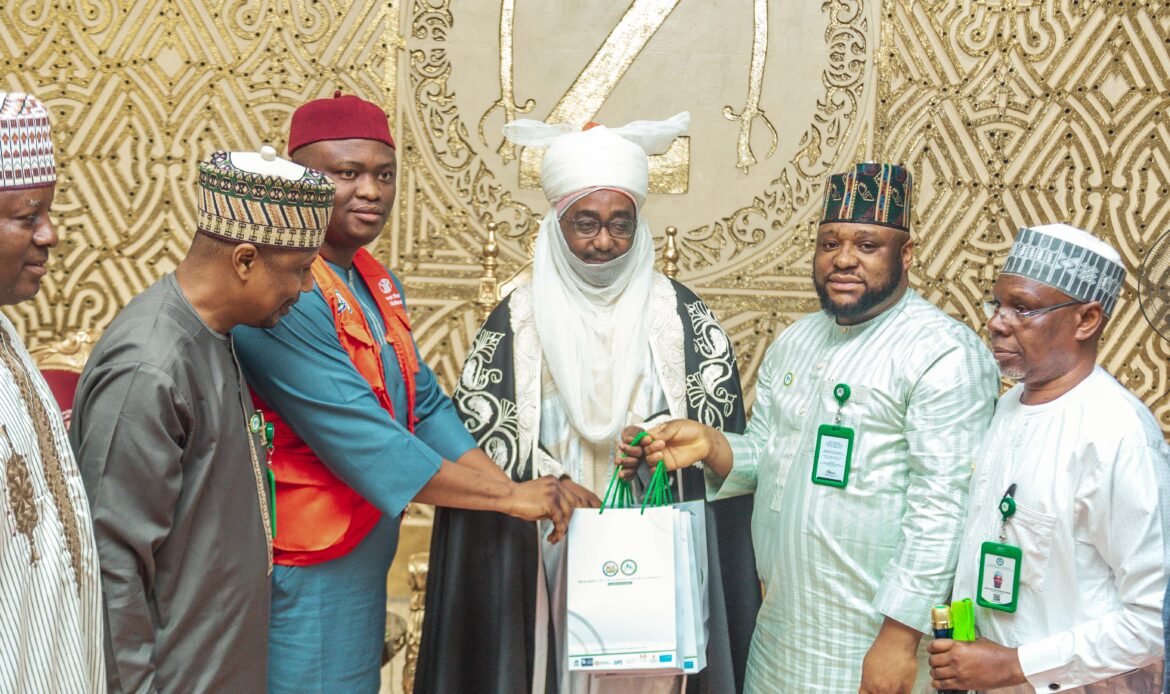
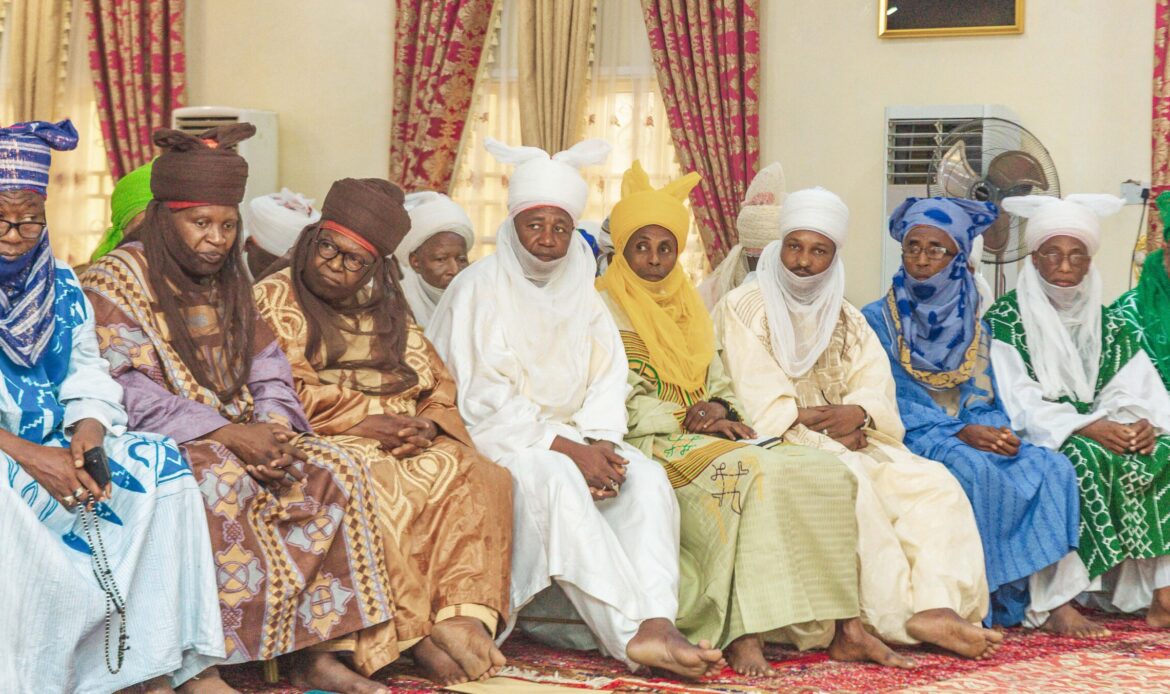
In a bold move to ensure that every child in Kaduna State has access to quality education, the Reaching-Out-of-School Children (ROOSC) Project recently paid a courtesy visit to His Royal Highness, the Emir of Zazzau, Amb. Ahmed Nuhu Bamali, in the historic city of Zaria. The high-level visit marked a critical milestone in deepening community engagement and accelerating the momentum of the project’s mission to reach Nigeria’s most vulnerable children.
Led by Mr. Ezra Angai, ROOSC Project Coordinator, the delegation included representatives from the implementing partner Save the Children International (SCI), School Based Managment Committee (SBMC), Education Secretary, Jama’atul Nasrul Islam (JNI) and Christain Association of Nigeria (CAN). The collective goal is to update the Emirate on the project’s progress and seek continued support for expanding into 14 more Local Government Areas (LGAs) across Kaduna State.
A Royal Welcome with Purpose
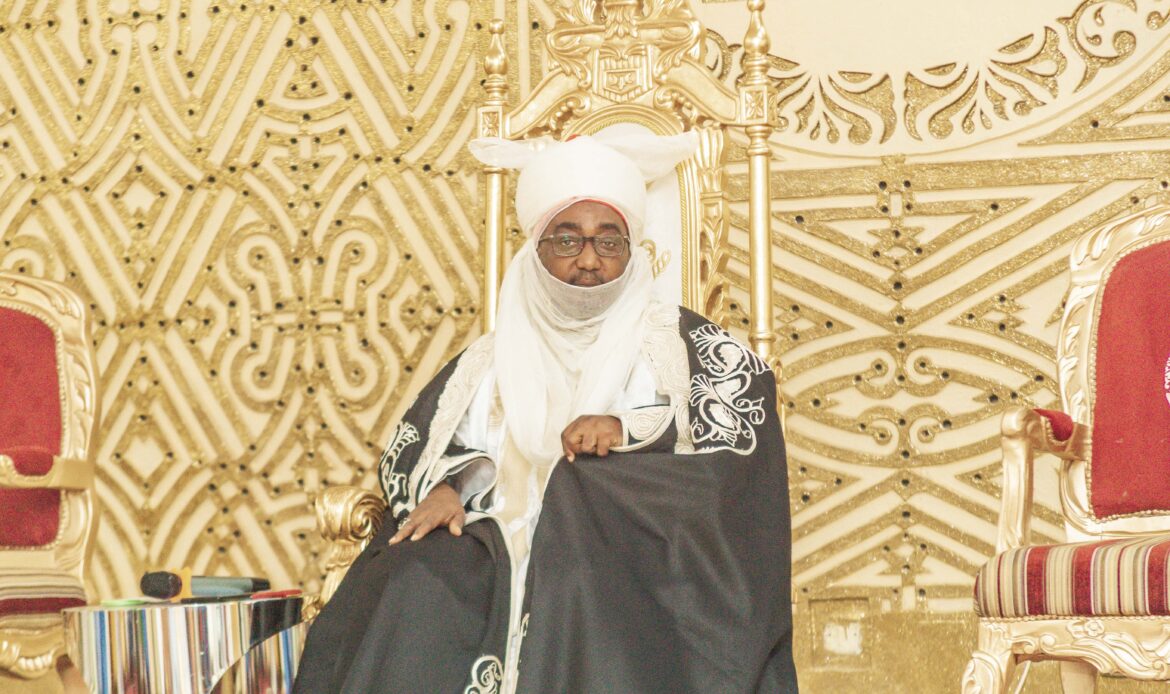
The Emir of Zazzau, known for his deep commitment to education and community development, warmly received the delegation alongside members of the Emirate Council. Their discussions were rooted in shared values—equity, access, and opportunity for all children, especially those left behind.
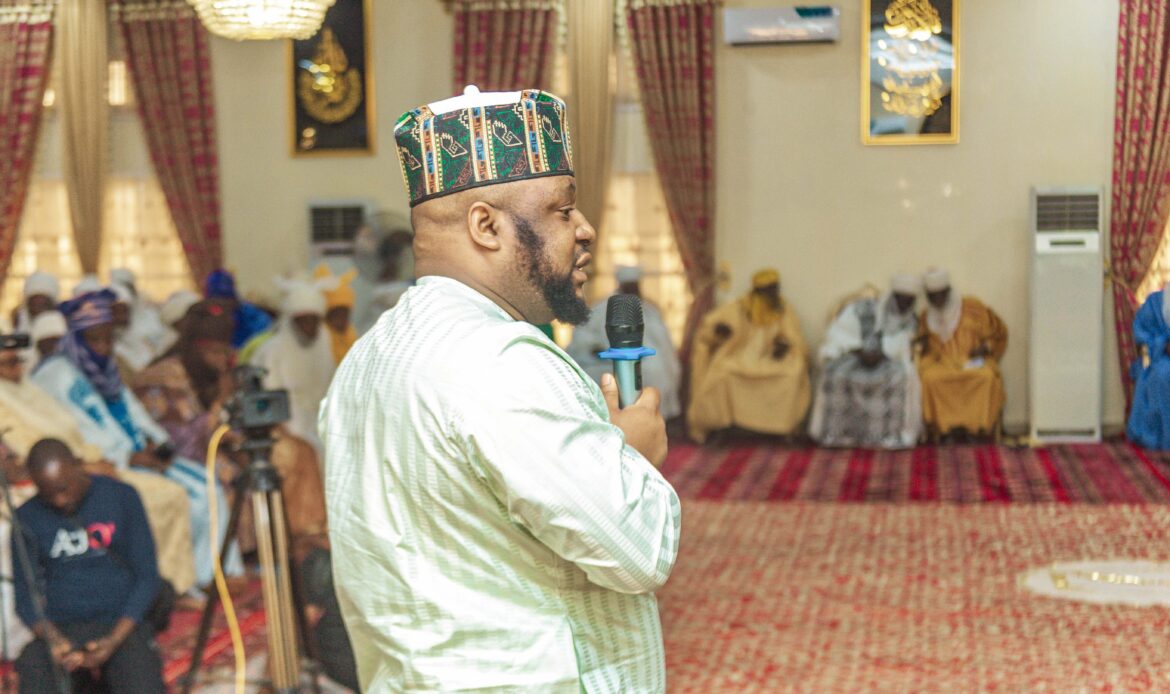
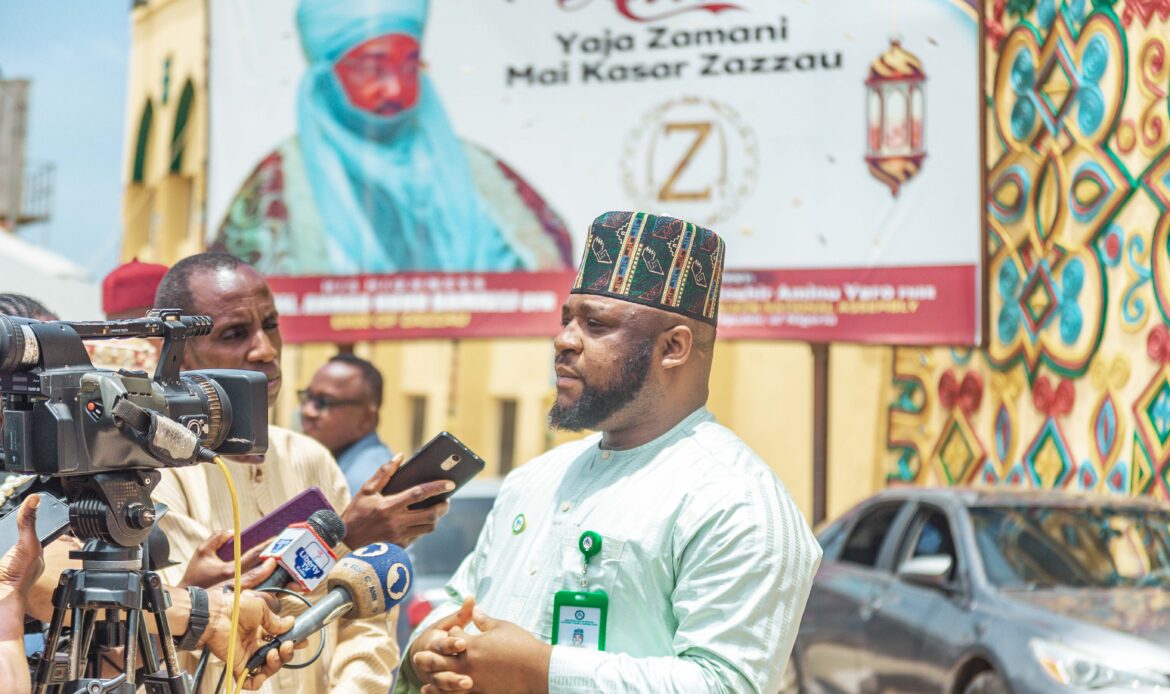
Mr Angai used the opportunity of the meeting to share compelling achievements from the past nine months of implementation:
- 41,000 out-of-school children identified across 9 LGAs
- 10,000 learners enrolled in 38 Accelerated Basic Education Program (ABEP) centers
- 10,728 learners joined 73 Catch-Up Clubs for foundational literacy and numeracy
- Over 2000 learning kits distributed
- 300+ educators trained, including School-Based Management Committee officers
- 29+ communities reached through advocacy and sensitization campaigns
Local Leadership, Lasting Change
One of the project’s strongest pillars has been its strategy of engaging traditional and religious leaders, a move that is proving to be transformational. During the visit, the Project Coordinator further highlighted how community ownership is driving the project’s success, with leaders not only endorsing but actively supporting campaigns by donating land for school construction and mobilizing local support.
He also emphasized the need for stronger sensitization efforts:
“Sending children to school starts with the parents, then comes the community and the government, all playing a role. Educating the children must be a collective effort.”
A Royal Stamp of Approval
In his remarks, the Emir of Zazzau expressed strong approval of the project’s direction and achievements.
“Everything we discussed in our first meeting has been acted upon with accountability and transparency,” he said. “This gives us hope that the vision of educating every child can truly be realized.”
He also lauded the integration of Western and religious education, especially through partnerships with Tsangaya schools, noting how it transforms the educational narrative for children traditionally left out of the formal system.
“In our time, children with only religious education were often seen as illiterates. This project is rewriting that story,” the Emir added.
Next Steps: Scaling with Speed and Strategy
With mapping underway in the additional 14 LGAs and expansion plans in progress, the ROOSC team is focused on scaling up with sustainability in mind. The Emir assured them of continued support from the Zazzau Emirate, pledging to mobilize traditional rulers and community influencers to embrace and expand the initiative.
The Emir also thanked the Kaduna State Government for initiating the ROOSC Project, which he described as a life-changing intervention for the region’s underserved children.
Conclusion: Building Bridges, Not Barriers
The ROOSC Project’s visit to the Zazzau Emirate is more than a ceremonial gesture; it is a strategic alliance with cultural guardians who play a vital role in shaping community values and actions. With continued collaboration and strong local ownership, the vision of leaving no child behind in Kaduna State is not just a dream, it is becoming a reality.
As Mr. Angai put it,
“This is how we build a future—one child, one school, one community at a time.”