
2.58 Million Learners Counted, 187,720 Out-of-School Children Mapped Across All 23 LGAs
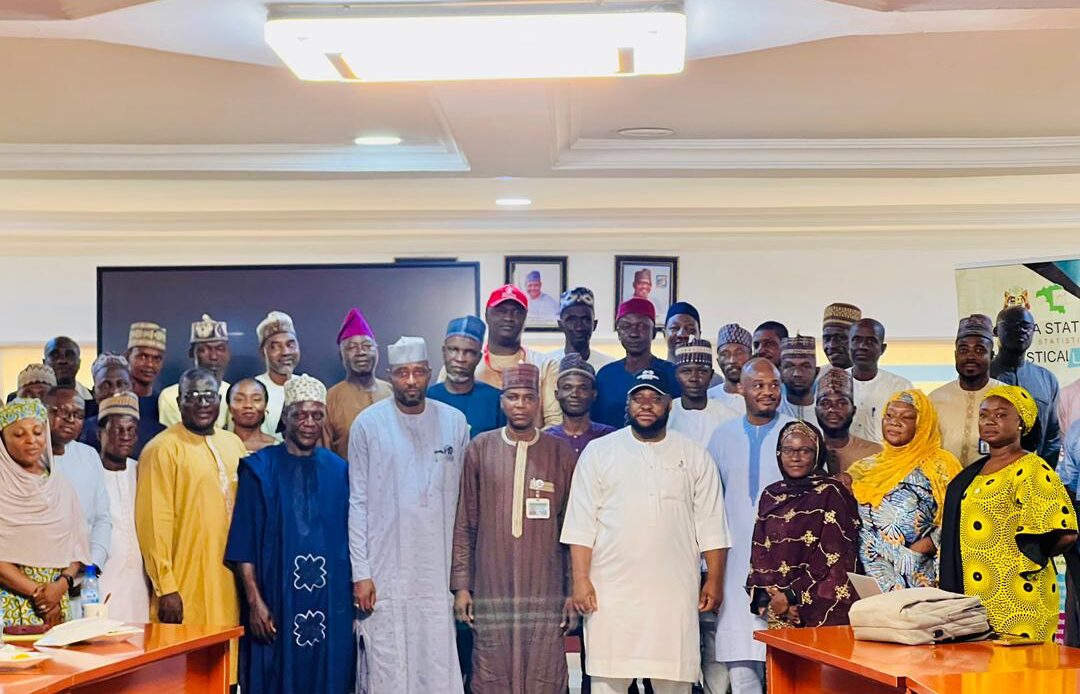
In a significant milestone for evidence-based education planning, Kaduna State has successfully validated its 2025/2026 Annual School Census (ASC) and 2026 Out-of-School Children (OOSC) Mapping Report, establishing one of the state’s most comprehensive education datasets to date.
The validation confirms 2.58 million learners enrolled in 5,416 schools, while identifying 187,720 out-of-school children through a household mapping exercise that reached 360,319 households across all 23 Local Government Areas. The validated reports will serve as a strategic foundation for education planning, budgeting, resource allocation, and targeted interventions aimed at ensuring every child has access to quality education.
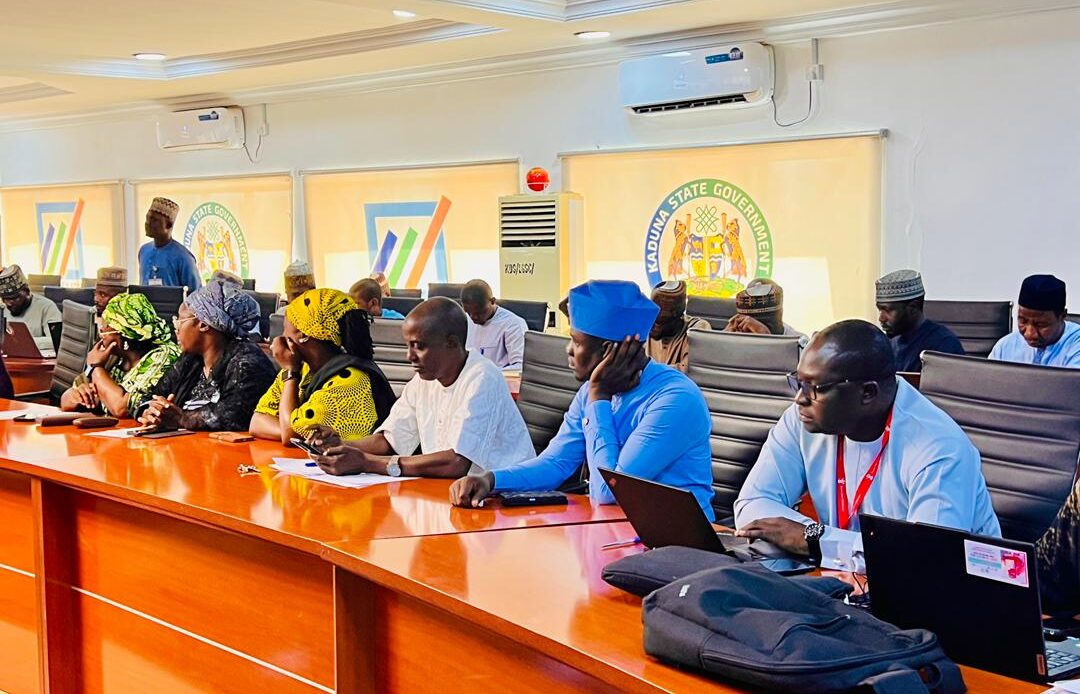
The validation meeting brought together government institutions, development partners, civil society organizations, and education stakeholders to review, verify, and certify the findings before their adoption for policy and implementation.
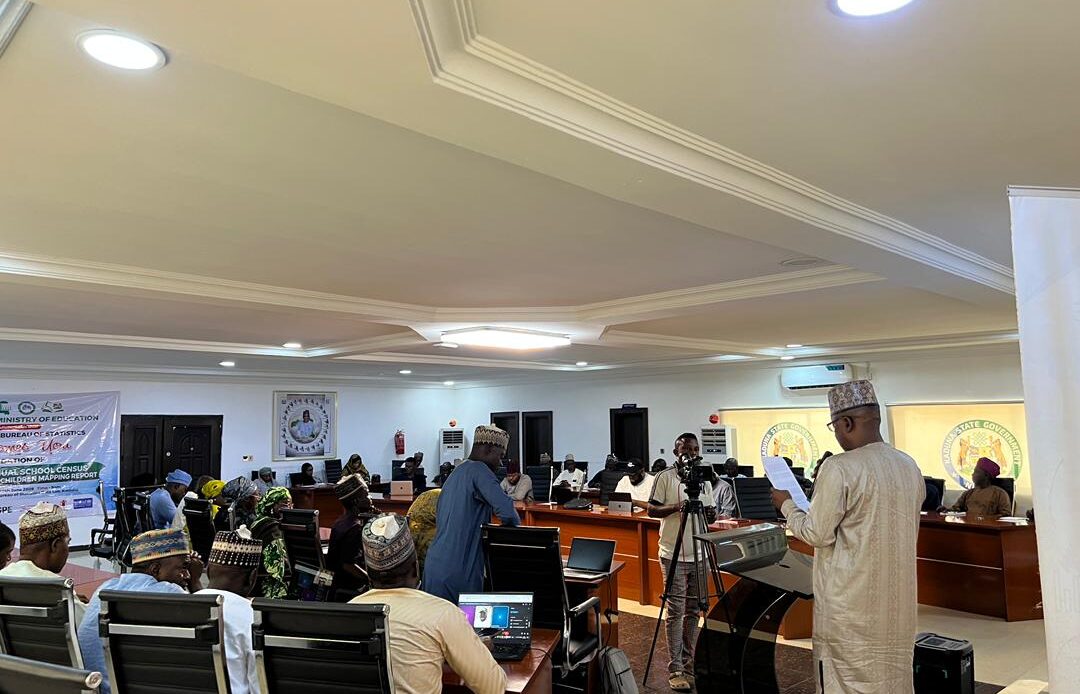
Speaking during the workshop, ROOSC Project Coordinator and PMU Lead, Mr. Ezra Angai, emphasized that the exercise represented more than a statistical review.
“The Annual School Census tells us who is inside the education system, while the Out-of-School Children Mapping Report shows who remains outside it. One report counts our capacity; the other counts our conscience.”
The validated reports reveal critical insights requiring urgent attention. They show that boys now constitute the majority of out-of-school children, nearly two-thirds of excluded children are of primary school age and have never attended school, poverty remains the leading driver of exclusion, and more than half of public primary schools lack access to safe drinking water. The findings also reveal that areas with the highest pupil-to-teacher ratios are often the same communities with the largest concentrations of out-of-school children, highlighting the strong connection between limited education capacity and exclusion.
Representing the Kaduna State Government, the Honourable Commissioner for Planning and Budget, Alhaji Mukhtar Ahmed, reaffirmed the government’s commitment to using reliable data to strengthen education planning. He noted that the validated reports provide government with credible information on enrolment, school infrastructure, teachers, learning resources, and vulnerable children, enabling more effective budgeting and targeted interventions that leave no child behind.
The meeting also featured contributions from the Kaduna State Bureau of Statistics, Kaduna State Ministry of Education, Kaduna State Universal Basic Education Board (SUBEB), Save the Children International, UNICEF, the National Bureau of Statistics, the Federal Ministry of Education, the National Commission for Almajiri and Out-of-School Children Education, the Kaduna State Quality Assurance Authority, and other key stakeholders, all reaffirming the importance of quality data in transforming education outcomes.
The Reaching Out-of-School Children (ROOSC) Project continues to support Kaduna State in strengthening education systems through data-driven planning, inclusive service delivery, and strategic partnerships. By investing in credible evidence, the project is helping government and partners make informed decisions that expand access, improve learning conditions, and create opportunities for every child to learn, thrive, and contribute meaningfully to society.
The validation of these reports represents more than the completion of a technical exercise—it marks another important step towards building an inclusive, resilient, and equitable education system where no child is left behind.