
Ministry of Education Harmonizes Western Education with Islamic and Quranic Education in Kaduna State
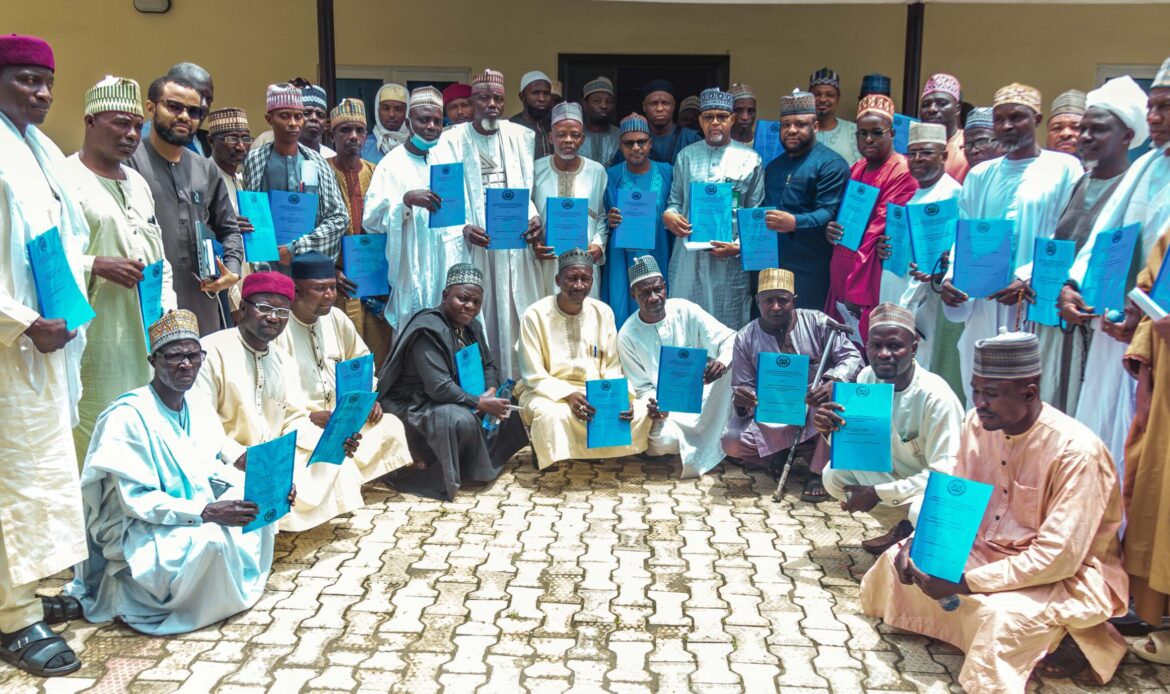
Kaduna State Government has taken a landmark step to elevate the quality of education across the state by signing a Memorandum of Understanding (MoU) with Alaramma’s network of 25 Tsangaya schools. This strategic move aims to marry Religious with Western education, offering students a more comprehensive and relevant learning experience.
Holistic Education Model
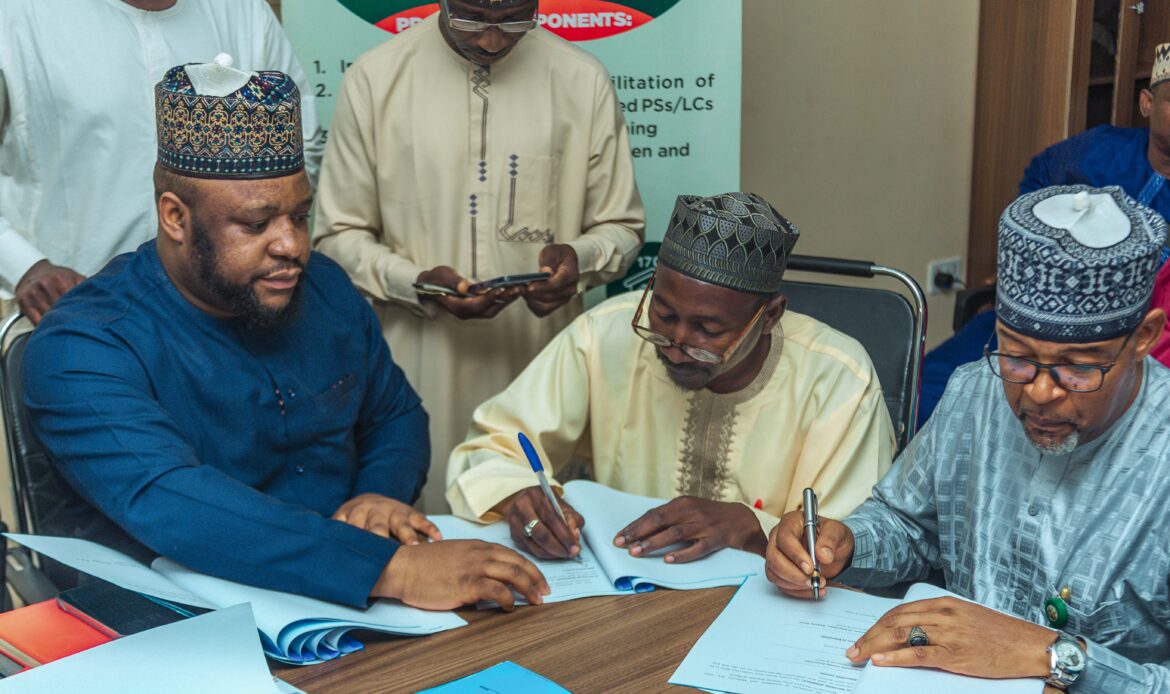
The MoU centers on integrating Islamic studies with Western core subjects—literacy, numeracy, and vocational skills—through bilingual schools. Prof. Abubakar Sani Sambo, the State Commissioner for Education, underscored that this initiative is part of a broader strategy to tackle the persistent challenge of out-of-school children in Kaduna. It evolved from a strategic consultative roundtable with Alarammas. The Hon. Commissioner was represented at signing by Dr. Musa Abdullahi Soba, the Ministry’s Permanent Secretary.
Reaching the Underserved
The initiative is part of the strategy of the Reaching Out-of-School Children (ROOSC) to tackle the out of school children problem in Kaduna state. The project, launched in April 2024. With partnership support from IsDB, IsFD, GPE, Kuwait Fund, Education Above All, and Save the Children International. The ROOSC project aims to enroll and retain 200,000 out-of-school children over a four (4) year period. so far the following have been achieved under the project; 405 teachers have been trained; 102 schools have been proposed for construction and another 170 for renovation including learning centers, developed and disseminated 1000 copies of KSSSVFS, verified 45 Tsangaya schools in 9 LGAs for possible integration, formation of 830 Community coalition members in 83 communities amongst others.
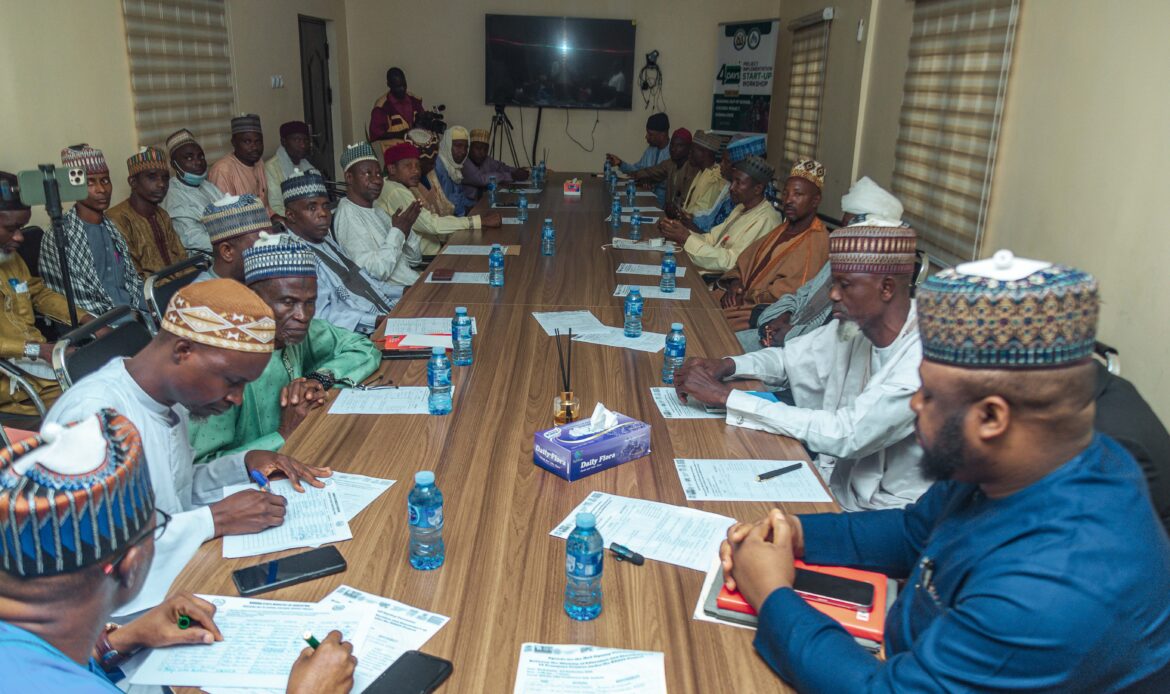
Ezra Angai, the ROOSC Project Coordinator, emphasized that the integration of Foundational Literacy and Numeracy as well as life skills to the existing Tsangaya curriculum will help the learners develop critical learning and life skills relevant for their future success and societal contribution.
Mallam Imam Buhari Maraban Jos, Chairman of the Alarammas in Kaduna State, expressed enthusiasm about the initiative. He pledged their full support and cooperation to ensure the successful integration of Quranic and Tsangaya schools with western learning.
This integration reflects a broader push by the Federal Government, through the Ministry of education to recognize non formal schools and push for the integration of vocational learning to the formal school curriculum. Kaduna state is leading in this example and providing model for other States to emulate.
Agencies like the National Commission on Almjiri and Out of School (NCOOOS), Commission for nomadic education, Mass Litercy, TVEt and UBEC let initiatives stand to demonstrate the Government’s strong commitment.
In summary, Kaduna State’s MoU signing with Tsangaya schools marks as landmark event that holds the promise of revolutionizing the education reform journey. By marrying religious instruction with Western education, The Kaduna State Government is creating n inclusive pathway of learning for thousands of children, transforming the learning pedagogy and nurturing learners to become potent members of society by creating harmony between religious learning and formal education. Our overall objective is to ensure every child in Kaduna has an opportunity to learn as well as develop model which can be scaled across the North Nationally.